


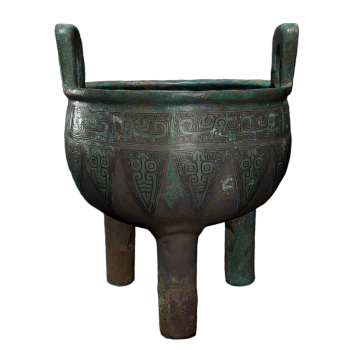
Zhou Dynasty Three legged Cauldron
This cultural relic is a three legged tripod, a bronze vessel, and its ceramic prototype can be traced back to the Peiligang culture of the Neolithic Age. In the early Shang Dynasty (1600-1300 BC), bronze versions of the flat footed tripod began to be cast. Ding is an ancient Chinese cooking or storage vessel, usually with two handles located at the edges, supported by three or four cylindrical legs. The shape of the tripod was almost ubiquitous in early China, including ceramic vessels from the Neolithic period and bronze vessels from the Shang Dynasty, as well as many later imitations of bronze and glazed pottery. This artifact is housed in the Minneapolis Museum of Art.

Bronze ware from the Zhou Dynasty, "Zhou Dynasty Food Utensils - Tripod"
The tripod is regarded as a symbol of national importance, power, and prestige. The character "tripod" is also endowed with extended meanings such as "distinguished", "noble", and "grand", such as "one word nine tripods", "famous name", "peak period", "strong assistance", and so on. It is also a ceremonial vessel for recording achievements. During major celebrations or receiving rewards, the rulers or nobles of the Zhou Dynasty would cast cauldrons to record the grand occasion. This kind of etiquette still has a certain influence today.

The Bronze Statue of Zhou Dynasty's Respectful Posture
This small and delicate figure stood with outstretched arms in a respectful posture. His curled fingers formed a socket that could grip the handle of the oil lamp. The character is wearing a long waistcoat with a regular waistband fixed by a belt hook around their waist. Throughout the entire Shang and Western Zhou dynasties (1600-771 BC), bronze figures were rare, but now several bronze figures have been unearthed from tombs of the Warring States period in the late Zhou dynasty as lamp posts. The strong sculptural quality of this character foreshadows the naturalism encountered in the subsequent Qin (221-206 BC) and Western Han (206-25 BC) eras.

Popular Models
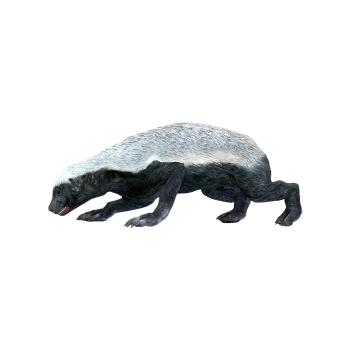
Honey Badger (3D animated model)
194 View
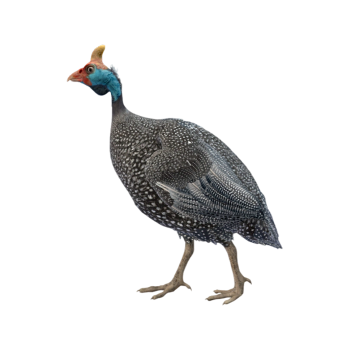
Guinea fowl (3D animated model)
165 View
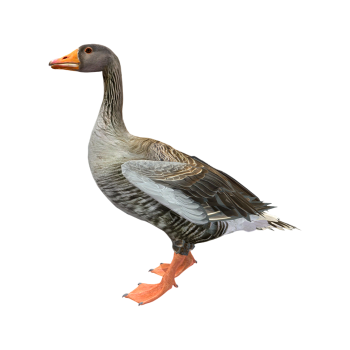
Wild Goose (3D animated model)
187 View
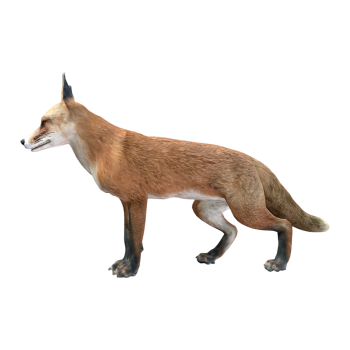
Red Fox (3D animated model)
155 View
Random Model


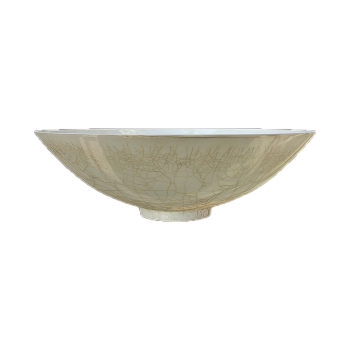
Song Chai Kiln Dark Lotus Pattern Bowl
1561 View
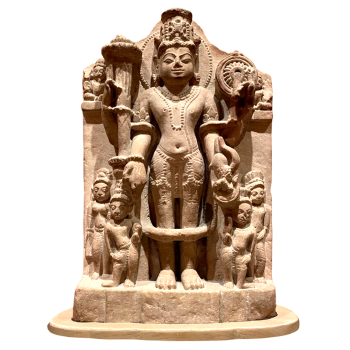


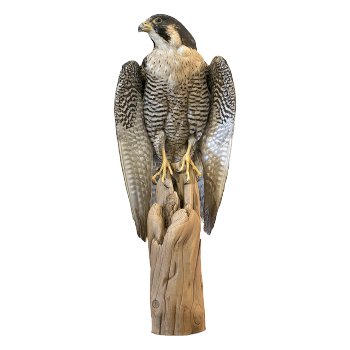
peregrine falcon
896 View
